


CRIMINOLOGY
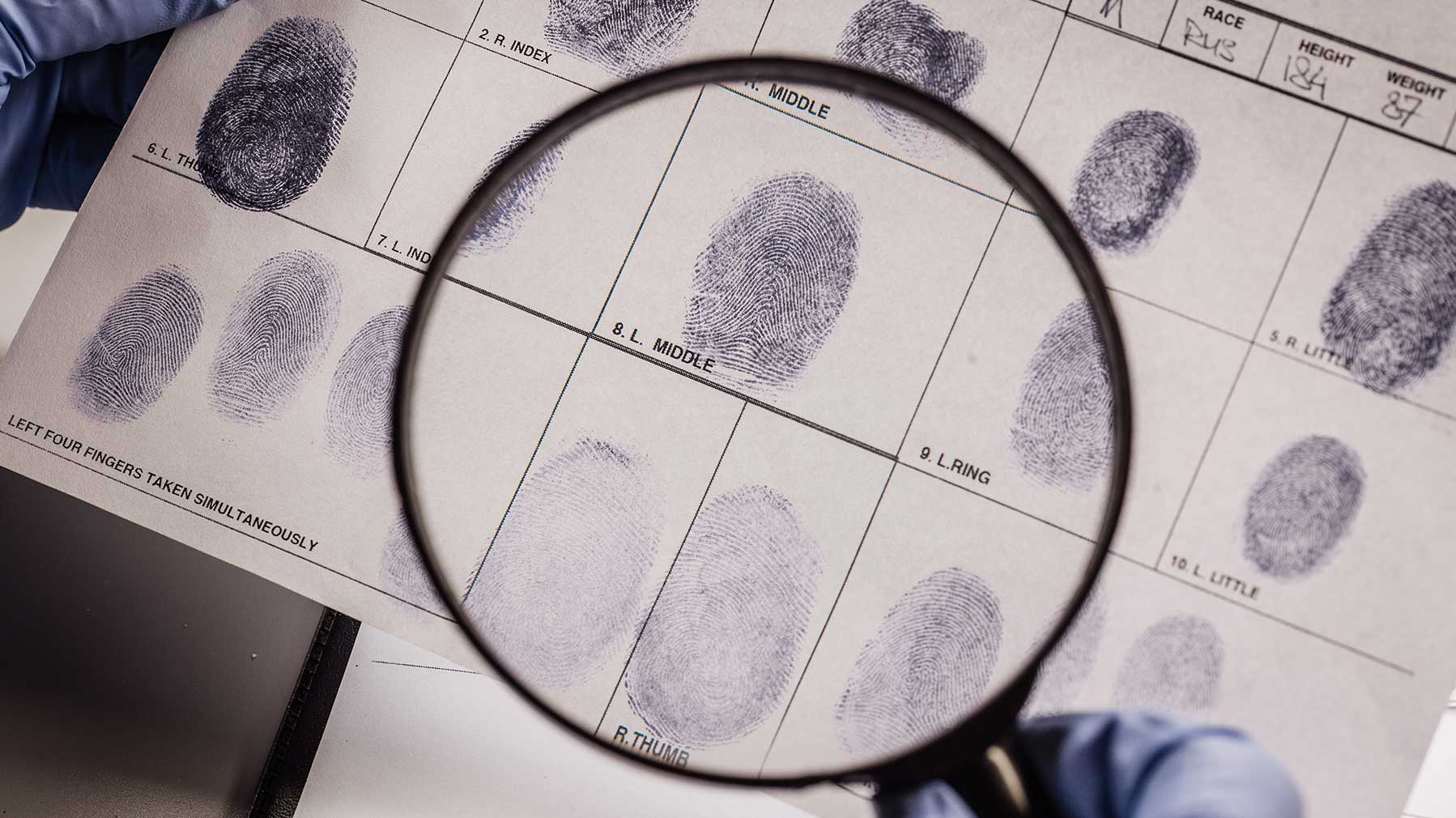 |
Course Description: Applied Diploma in Criminology
Criminology is the scientific study of crime and deviance in society. Students will learn about different types of crime, influences on perceptions of crime and why some crimes are unreported and why people commit crime. Students will also look at the criminal justice system from the moment a crime has been identified, to the verdict, so they gain an awareness of the processes and agencies involved. This is with an aim to be able to review the justice of verdicts in criminal cases. Finally, students will apply their understanding of the awareness of criminality, criminological theories and the process of bringing an accused to court to evaluate the effectiveness of social control to deliver criminal justice policy.
Course Content: 1. Changing Awareness of Crime 2. Criminological Theories 3. Crime Scene to Courtroom 4. Crime and Punishment
Assessment Format Across the two years there are x2 examined units and x2 controlled assessment units. Unit 1 and 3 are controlled assessment units (non-exam assessments). Unit 2 and 4 are externally examined. The exam questions consist of short answer and extended writing pieces often related to sources and scenarios where knowledge from the course needs to be applied. Exams are 90-minutes each with a total of 75 marks and consist of short and extended answer questions, some are based on stimulus material and applied contexts.
Board : WJEC/EDUQAS Course Entry Requirements: TBC
What next? WJEC Level 3 Applied Diploma in Criminology is used to support access to higher education degree courses, such as: • BSc (Hons) Criminology and Psychology • LLB (Hons) Law with Criminology • BA (Hons) Criminology and Sociology • BA (Hons) Criminology • BSc (Hons) Psychology and Sociology • BSc Criminology with Law
Key Contact: Mrs Bullivant (Head of Social Sciences) Lucinda.Bullivant@thehoward.thpt.org.uk |